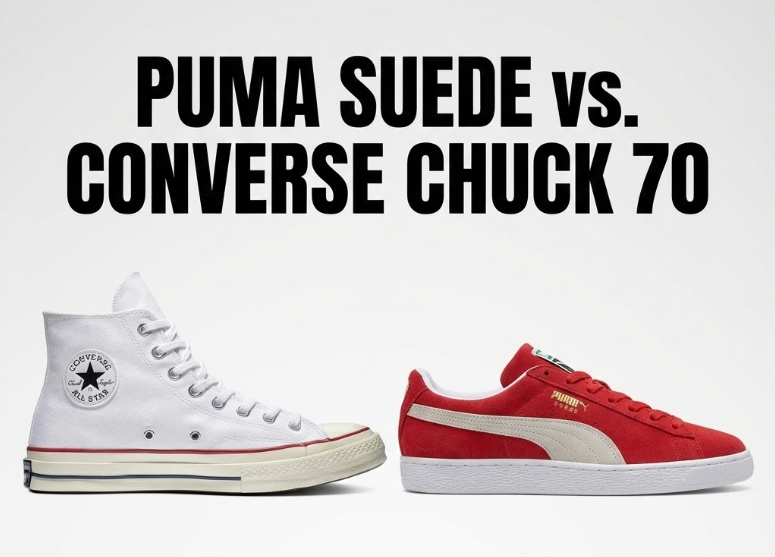
The Legendary Showdown: PUMA Suede vs. Converse Chuck 70
The rivalry between the PUMA Suede and the Converse Chuck 70 represents a clash of titans in the sneaker world. Both silhouettes have transcended their athletic origins to become global symbols of street fashion. While the Chuck 70 leans into its basketball-to-grunge aesthetic, the PUMA Suede offers a cleaner, more refined profile that bridges the gap between hip-hop culture and high-end casual wear.
Material Construction and Durability
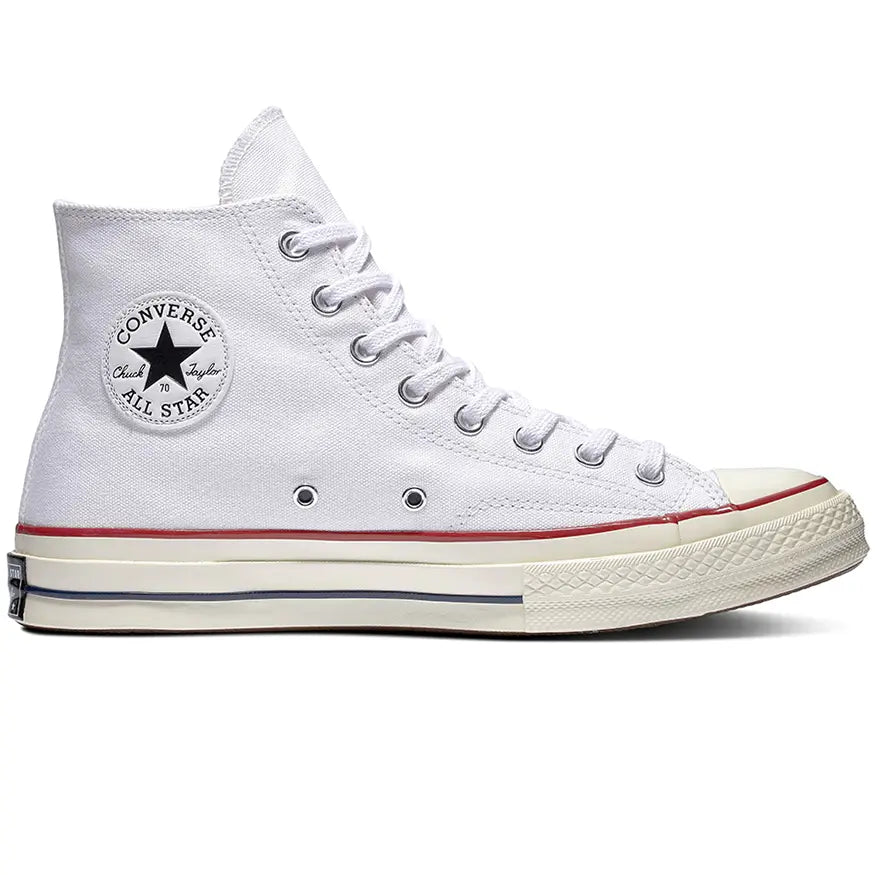
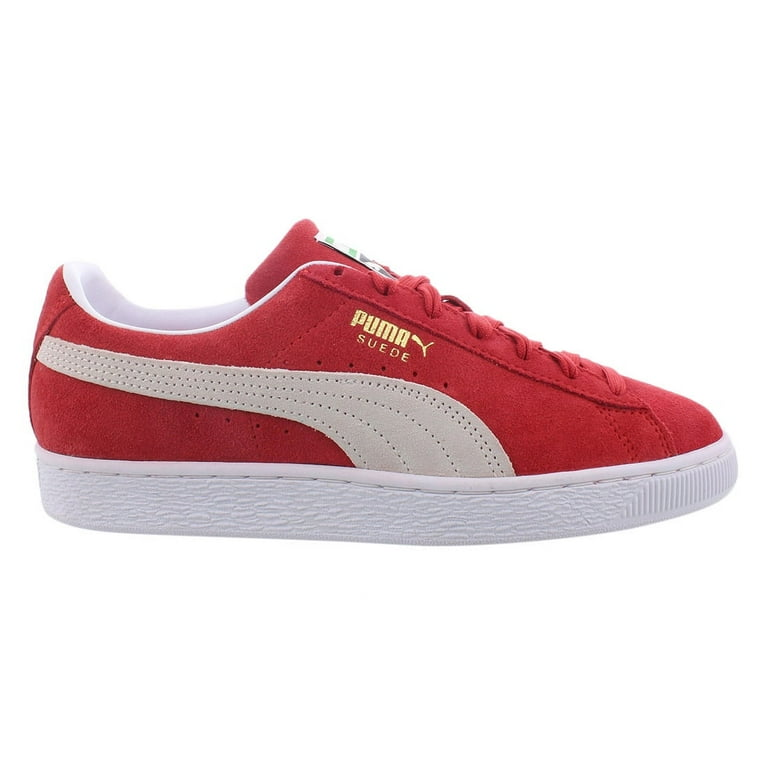
The PUMA Suede is defined by its namesake material, offering a plush, premium feel that provides a sophisticated look compared to the rugged canvas of the Chuck 70. The Suede’s thick rubber outsole provides superior grip and comfort for extended wear, whereas the Chuck 70 features a vulcanized rubber sole that offers a distinct, flatter board-feel often preferred by skaters and minimalists.
- PUMA Suede: Offers better lateral support and a cushioned footbed tailored for comfort.
- Converse Chuck 70: Known for its iconic toe cap and high-top ankle support, favoring a retro utilitarian aesthetic.
Defining Street Culture: From Clyde to Contemporary Classics
PUMA’s influence on global street culture is anchored by the Clyde, a sneaker that revolutionized the relationship between sports and fashion in the 1970s. By partnering with athletes like Walt “Clyde” Frazier, PUMA moved beyond the locker room and into the hearts of urban youth, setting the stage for the modern sneakerhead movement.
The Evolution of the Silhouette
The transition from the court-focused Clyde to the diverse PUMA lineup we see today—including collaborations with skate and surf brands—highlights the brand’s adaptability. PUMA has consistently balanced its archival DNA with modern design language, ensuring that older silhouettes remain relevant in an era dominated by rapid trend cycles.
| Model | Era | Core Cultural Impact |
|---|---|---|
| PUMA Clyde | 1970s | Basketball & Hip-Hop crossover |
| PUMA Suede | 1968-Present | Streetwear essential |
| Thunder Spectra | 2018 | The “Dad Shoe” high-fashion trend |
Why PUMA Remains the King of Nightlife
There is a persistent trend among “old-timers” and seasoned club-goers to favor PUMA footwear. This isn’t just about nostalgia; it is about practical performance. Nightlife environments demand footwear that is durable, comfortable enough for hours of standing, and stylish enough to pass strict dress codes.
The Operational Advantage
The low-profile nature of models like the PUMA Suede allows for easy movement in crowded venues. Furthermore, the material density of the suede upper is surprisingly resistant to the spills and scuffs common in high-traffic nightlife spots, making them a “set-and-forget” choice for those who value utility over hype.
PUMA’s Modern Transformation: From Suede to Thunder Spectra
While the Suede remains the anchor, PUMA’s innovation branch, seen in the Thunder Spectra, demonstrates the brand’s willingness to experiment with maximalist design. The shift from slim, court-ready silhouettes to chunky, multi-layered aesthetics reflects PUMA’s ability to pivot alongside the luxury fashion market.
Technical Innovation and Design
The Thunder Spectra utilized complex paneling and bold color-blocking to capture the attention of the high-fashion world, proving that PUMA is not merely a brand of the past, but an active participant in defining the future of athletic footwear design.
Frequently Asked Questions (FAQ)
- Q1: Why is the PUMA Suede considered more versatile than the Converse Chuck 70?
- The PUMA Suede features a more structured, padded interior and premium materials that allow it to be dressed up for smart-casual events, whereas the Chuck 70 remains firmly rooted in a casual, grungy aesthetic.
- Q2: Are PUMA Suedes suitable for long-term standing in nightlife venues?
- Yes. The anatomical footbed and rubber midsole of the PUMA Suede provide significant arch support compared to traditional canvas sneakers, making them a preferred choice for individuals who prioritize comfort during long nights out.
- Q3: What makes the Thunder Spectra different from PUMA’s archival classics?
- The Thunder Spectra represents a departure from the “slim” silhouette era, focusing on the “dad shoe” aesthetic with chunky outsoles, complex layering, and high-contrast colorways designed for modern fashion statements.
- Q4: How did the PUMA Clyde change sneaker culture?
- The Clyde was the first signature basketball shoe. It broke the barrier between professional sports and street fashion, becoming the first sneaker to be widely accepted as a status symbol within hip-hop and urban subcultures.