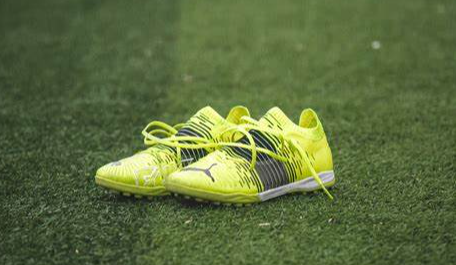
The global sports industry stands at a pivotal moment, characterized by dynamic market forces, technological advancements, and a significant reshuffling of top executive leadership across its most influential brands. Recent high-profile transitions at Puma, Adidas, and Nike signal not just changes in personnel, but a deeper strategic reorientation aimed at navigating intensified competition, supply chain complexities, and evolving consumer behaviors. This comprehensive guide explores the ‘why’ behind these critical changes, dissects their immediate and long-term implications, and offers insights into the future trajectory of sports brand leadership in an increasingly volatile global landscape. Understanding these shifts is crucial for anyone looking to grasp the pulse of the sports apparel and footwear market.
The Shifting Sands of Sports Leadership: Puma’s Pivotal Transition
Puma, a brand with a storied history of innovation and athletic performance, recently underwent a significant leadership transition that sent ripples across the industry. Bjørn Gulden, widely credited with orchestrating a remarkable turnaround for the brand, departed to take the helm at rival Adidas. His departure necessitated the promotion of Arne Freundt, a long-time Puma executive, to CEO. This move encapsulates the strategic challenges and opportunities facing sports brands today, where leadership agility and a clear vision are paramount. The underlying principle here is that in a fast-paced consumer market, leadership changes are often a proactive measure to either capitalize on momentum or address looming threats, signaling a brand’s strategic intent to investors, employees, and consumers alike.
Bjørn Gulden’s Legacy at Puma: A Blueprint for Revival
Bjørn Gulden’s tenure at Puma, from 2013 to 2022, is widely regarded as a masterclass in brand revitalization. He took a struggling brand that had lost its edge and transformed it into a formidable competitor in the global sportswear market. Gulden’s strategy focused on several key pillars: reigniting brand desirability through strategic celebrity endorsements (Rihanna, Usain Bolt), investing heavily in product innovation, and streamlining operations. He successfully repositioned Puma as a credible performance brand while also expanding its lifestyle appeal. His leadership demonstrated that a clear vision, combined with strategic marketing and product development, can dramatically alter a brand’s fortunes, even in a highly competitive environment dominated by giants. This historical context provides a crucial backdrop for understanding the high expectations placed on new leadership.
Arne Freundt’s Vision: Steering Puma Forward in a New Era
Arne Freundt, having served as Puma’s Chief Commercial Officer, brings a deep understanding of the brand’s internal workings and market dynamics to his new role as CEO. His appointment signifies a commitment to continuity in Puma’s successful strategy while also hinting at new directions. Freundt faces the challenge of maintaining Puma’s growth trajectory without its turnaround architect, Gulden, and in an environment of increasing economic uncertainty. His vision is likely to center on further solidifying Puma’s direct-to-consumer capabilities, expanding its presence in key growth markets, and continuing to innovate across its product categories. The ‘why’ behind an internal promotion often speaks to a desire for stability and leveraging existing institutional knowledge, ensuring a smoother transition and adherence to established, successful pathways.

Adidas’ Strategic Reinvention: A New Era Under Gulden
Adidas, one of the world’s leading sportswear manufacturers, has recently grappled with significant challenges, most notably the fallout from its partnership with Kanye West (Yeezy) and substantial inventory issues. These hurdles prompted a leadership change, with Bjørn Gulden stepping in as CEO, replacing Kasper Rørsted. Gulden’s arrival at Adidas is not merely a change of guard; it represents a high-stakes strategic reinvention for the German sportswear giant, signaling an urgent need for fresh perspectives and decisive action to restore profitability and market confidence. The underlying principle here is that even established market leaders are not immune to strategic missteps and require agile leadership to adapt to rapidly changing market conditions and consumer sentiment.
The Challenges Facing Adidas: Post-Yeezy and Inventory Woes
The termination of the lucrative Yeezy partnership left Adidas with a substantial financial void and a massive inventory of unsold Yeezy products, leading to significant write-downs and a dent in its brand image. This incident underscored the risks associated with high-profile collaborations and the importance of diversified revenue streams. Furthermore, like many brands, Adidas faced challenges managing supply chain disruptions and accurately forecasting demand, resulting in excess inventory in some categories and missed opportunities in others. These operational and brand-related issues highlighted the need for a leader with a proven track record of navigating complex challenges and executing successful turnaround strategies.
Gulden’s Mandate: Revitalizing the Three Stripes
Bjørn Gulden’s primary mandate at Adidas is clear: to stabilize the company, clear excess inventory, and reignite brand momentum. His experience at Puma, where he successfully revitalized a struggling brand, makes him a compelling choice for this challenging role. Gulden is expected to focus on strengthening Adidas’ core product categories, re-establishing strong relationships with retailers, and potentially exploring new avenues for brand engagement. His approach will likely involve a blend of strategic cost management, aggressive marketing campaigns, and a renewed emphasis on product innovation to compete effectively with Nike and a growing roster of agile challengers. The success of his tenure will be a critical indicator of Adidas’ ability to adapt and thrive in the future.

Nike’s Enduring Dominance Amidst Evolving Competition
Despite the leadership turbulence at its rivals, Nike continues to hold its position as the undisputed leader in the global sports apparel and footwear market. Its formidable brand equity, extensive product portfolio, and innovative marketing strategies have consistently kept it ahead of the curve. However, even market leaders are not immune to the pressures of an evolving industry. Nike faces intensified competition from both traditional rivals like Adidas and Puma, as well as emerging direct-to-consumer (DTC) brands and specialized niche players. The ‘why’ behind Nike’s sustained success lies in its relentless pursuit of innovation, its deep connection with athletic culture, and its ability to adapt its business model to changing market dynamics.
Maintaining Market Leadership: Nike’s Core Strengths
Nike’s enduring dominance is built on several foundational strengths. Foremost among these is its consistent investment in research and development, leading to groundbreaking product innovations like Air, ZoomX, and Flyknit technologies. This commitment to performance innovation resonates deeply with athletes and consumers. Secondly, Nike’s marketing prowess is unparalleled, leveraging iconic athletes, powerful storytelling, and global sporting events to create an aspirational brand image. Finally, its global distribution network and strategic focus on direct-to-consumer channels have allowed it to maintain strong control over its brand narrative and customer experience, minimizing reliance on third-party retailers.
Emerging Threats and the Imperative for Innovation
While dominant, Nike is not without its challenges. The rise of agile, digitally native brands offers consumers more choices and often at lower price points. Furthermore, Adidas’ aggressive push under Gulden, and Puma’s continued growth, mean that Nike must constantly innovate not just in product, but also in its business model and customer engagement strategies. Supply chain resilience, sustainability practices, and navigating geopolitical tensions, particularly in key markets like China, are also critical areas requiring continuous strategic attention. For Nike, the imperative is not just to maintain market share, but to redefine what leadership means in a rapidly evolving, interconnected global economy.

Global Sports Industry at a Crossroads: Key Trends and Strategic Imperatives
The recent leadership changes are not isolated incidents but rather symptomatic of broader, transformative trends sweeping across the global sports industry. From shifts in consumer behavior to technological advancements and geopolitical influences, brands are being forced to rethink their entire operational and strategic frameworks. Understanding these overarching trends is essential for any sports brand aiming for sustained success and relevance in the coming decade. The ‘why’ behind these trends often boils down to a more informed, digitally connected, and socially conscious global consumer, coupled with an increasingly complex and interconnected global supply chain.
The Rise of Direct-to-Consumer (DTC) Models
A significant trend reshaping the industry is the accelerating shift towards direct-to-consumer (DTC) sales. Brands are increasingly investing in their own e-commerce platforms, flagship stores, and digital engagement channels to build direct relationships with customers, gain valuable data, and control the brand experience. This move allows for higher margins, better inventory management, and personalized marketing. However, it also demands significant investment in logistics, customer service, and digital infrastructure. The challenge for brands is to balance their DTC growth with maintaining strong relationships with wholesale partners.
Navigating Supply Chain Volatility and Geopolitical Headwinds
The COVID-19 pandemic exposed the fragility of global supply chains, leading to widespread disruptions, increased costs, and inventory imbalances. Sports brands, with their complex international manufacturing and distribution networks, were particularly affected. Furthermore, geopolitical tensions, trade disputes, and economic uncertainties in major markets continue to pose significant risks. Brands must build more resilient, diversified, and localized supply chains, while also developing strategies to mitigate geopolitical risks and adapt to varying market conditions across different regions.
Sustainability, Digitalization, and the Future of Brand Engagement
Sustainability has moved from a niche concern to a core strategic imperative. Consumers, particularly younger demographics, are increasingly demanding environmentally friendly products and ethical business practices. Brands are responding by investing in sustainable materials, circular economy initiatives, and transparent reporting. Concurrently, digitalization continues to transform every aspect of the industry, from product design (3D printing, AI-driven analytics) to marketing (metaverse, NFTs, influencer marketing) and retail experiences. Brands that can effectively integrate sustainability into their core values and leverage digital technologies for enhanced customer engagement will be best positioned for future growth.

Pro Tips: Navigating Executive Transitions in the Sports Apparel Sector
Executive transitions, especially at the CEO level, are critical moments for any organization, particularly in a high-profile, fast-moving industry like sports apparel. Successfully navigating these periods requires strategic foresight, clear communication, and a focus on both internal and external stakeholders. Here are some expert tips for brands experiencing or anticipating such shifts:
- **Prioritize Internal Communication:** Before external announcements, communicate clearly and transparently with employees about the changes, the rationale, and the vision for the future. This builds trust and minimizes uncertainty.
- **Articulate a Clear Strategic Narrative:** The new leadership, or the existing team during a transition, must quickly articulate a compelling strategic narrative that explains the ‘why’ behind the changes and outlines the path forward. This reassures investors, partners, and consumers.
- **Leverage the Transition as an Opportunity for Renewal:** View leadership changes not just as a challenge, but as a chance to reassess strategies, introduce fresh perspectives, and inject new energy into the brand.
- **Maintain Product Innovation Momentum:** During periods of executive change, it’s crucial not to lose focus on core product development and innovation, which is the lifeblood of sports brands.
- **Engage Key Stakeholders Proactively:** Reach out to major retailers, suppliers, and key ambassadors to ensure continuity in relationships and address any concerns they may have.
- **Monitor Market and Consumer Sentiment Closely:** Pay close attention to how the market and consumers are reacting to the transition. Be prepared to adapt messaging and strategies based on feedback.

Comparative Analysis: Strategic Responses of Top Sports Brands
The leadership changes at Puma and Adidas, juxtaposed with Nike’s sustained dominance, offer a fascinating case study in how major sports brands adapt to an evolving market. While all operate in the same competitive landscape, their recent strategic moves and leadership profiles reveal distinct approaches to navigating challenges and seizing opportunities. This table provides a snapshot of their current strategic postures.
| Brand | Recent Key Leadership Change | Primary Strategic Focus (Current) | Key Market Challenges | Opportunities for Growth |
|---|---|---|---|---|
| Puma | Arne Freundt (Internal Promotion) | Maintain growth trajectory, DTC expansion, niche market focus, sustainability. | Post-Gulden era leadership transition, intense competition, supply chain resilience. | Leveraging strong brand momentum, expanding into emerging markets, deeper lifestyle integration. |
| Adidas | Bjørn Gulden (External Hire from Puma) | Brand revitalization, inventory management, core product strengthening, profitability restoration. | Post-Yeezy financial impact, excess inventory, regaining market share from Nike. | Gulden’s proven turnaround expertise, strong brand heritage, re-engaging core consumers. |
| Nike | Stable (John Donahoe) | Sustained innovation, DTC excellence, global market penetration, digital transformation. | Intensified competition, supply chain optimization, geopolitical risks (e.g., China market). | Leveraging technology (AI, metaverse), expanding into new sports categories, deeper personalization. |

Conclusion: The Future of Sports Brand Leadership
The recent executive reshuffle across Puma, Adidas, and Nike underscores a critical truth: the global sports industry is in a constant state of flux, demanding adaptable, visionary leadership. These transitions are not merely about changing faces at the top; they reflect deeper strategic shifts required to respond to evolving consumer demands, technological advancements, and a complex global economic and political landscape. The future success of these brands will hinge on their leaders’ ability to foster innovation, build resilient supply chains, prioritize sustainability, and cultivate authentic connections with a diverse global audience. As the industry continues to evolve, the lessons learned from these leadership changes will undoubtedly shape the strategic playbooks for years to come, emphasizing agility, foresight, and an unwavering commitment to brand purpose.
Frequently Asked Questions (FAQ)
- Why are there so many leadership changes happening in the sports industry currently?
- The sports industry is at a critical turning point driven by several factors: intensified competition, the rapid shift to direct-to-consumer (DTC) models, persistent supply chain disruptions, and evolving consumer expectations around sustainability and digital engagement. These pressures necessitate leadership that can navigate complexity, drive innovation, and adapt quickly, leading many brands to seek fresh perspectives or proven turnaround experts.
- What impact does Bjørn Gulden’s move from Puma to Adidas have on both brands?
- Gulden’s move is highly significant. For Puma, it means the departure of the architect behind its successful revitalization, posing a challenge for new CEO Arne Freundt to maintain momentum. For Adidas, Gulden’s arrival signals an aggressive push for a turnaround, as he is tasked with addressing post-Yeezy challenges, managing inventory, and reigniting growth, leveraging his proven track record at Puma.
- How is Nike maintaining its market leadership amidst these industry shifts?
- Nike sustains its leadership through relentless product innovation, powerful global marketing campaigns, and a strong focus on its direct-to-consumer strategy. Its deep connection to athletic culture and significant investments in research and development allow it to consistently deliver groundbreaking products and maintain strong brand loyalty, even as competitors intensify their efforts.
- What are the biggest challenges facing sports brands in the next 3-5 years?
- Key challenges include building more resilient and sustainable supply chains, effectively competing in the direct-to-consumer space without alienating traditional retail partners, navigating geopolitical tensions and economic volatility in major markets, and meeting increasing consumer demands for sustainability and ethical production. Additionally, staying ahead in digital innovation and personalized customer engagement will be crucial.
- How important is sustainability in the current and future strategies of sports brands?
- Sustainability has become a non-negotiable core pillar for sports brands. Consumers, particularly younger generations, are increasingly prioritizing eco-friendly products and ethical business practices. Brands are responding by investing in sustainable materials, circular economy models, and transparent reporting, integrating these initiatives into their brand identity and long-term strategic planning to maintain relevance and appeal.