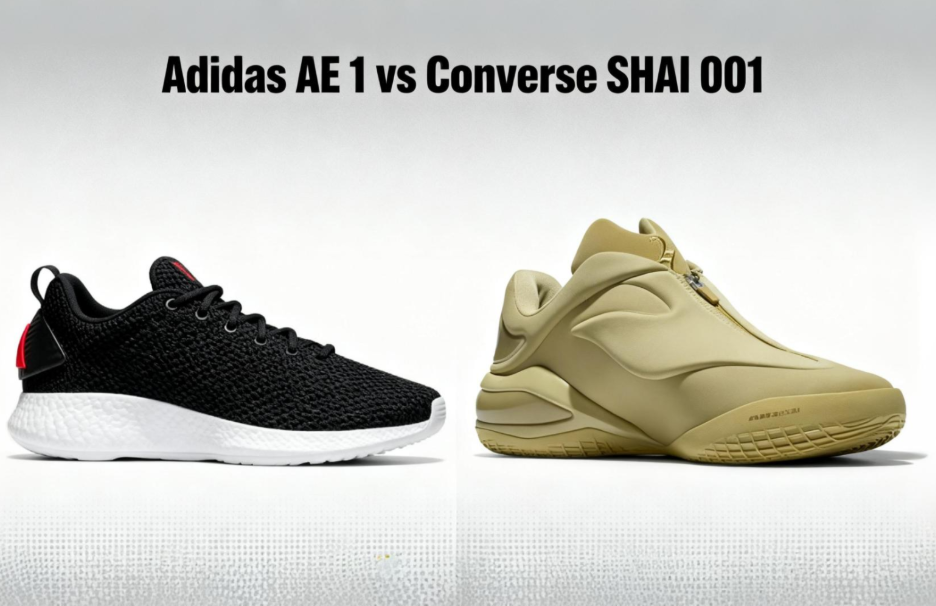
In the recent NBA sneaker scene, if you’ve paid even a little attention to new releases, adidas’ Anthony Edwards series (AE series, mainly AE1/AE2) and Converse’s SHAI 001 are two names you can’t avoid. The two shoes have almost completely opposite philosophies: one focuses on “explosive power + support,” while the other prioritizes a lightweight style with “agility + ground feel.”
If you’re currently choosing shoes, this comparison might just help you understand the differences in their character.
1. Background and Positioning: Two Star Players, Two Directions
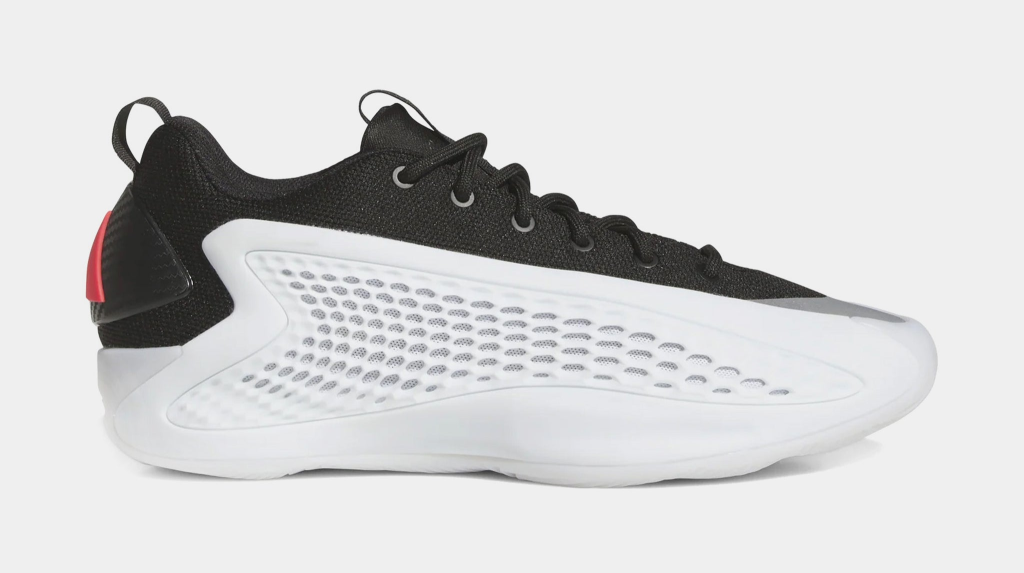
AE series (adidas Anthony Edwards)
The AE series is adidas’ signature line for Anthony Edwards. The first generation AE1 generated a lot of discussion upon its release, and was even rated by many media outlets as “one of the best basketball shoes of 2024,” which made the series an instant success.
With the AE2, adidas made significant adjustments to the overall structure—the upper is more open, the weight is lighter, and the flexibility is improved, feeling like “a polished version of the AE1.”
The overall positioning remains very clear:
A “rigid weapon” prepared for explosive defenders/forwards, emphasizing jumping, impact, and stability.
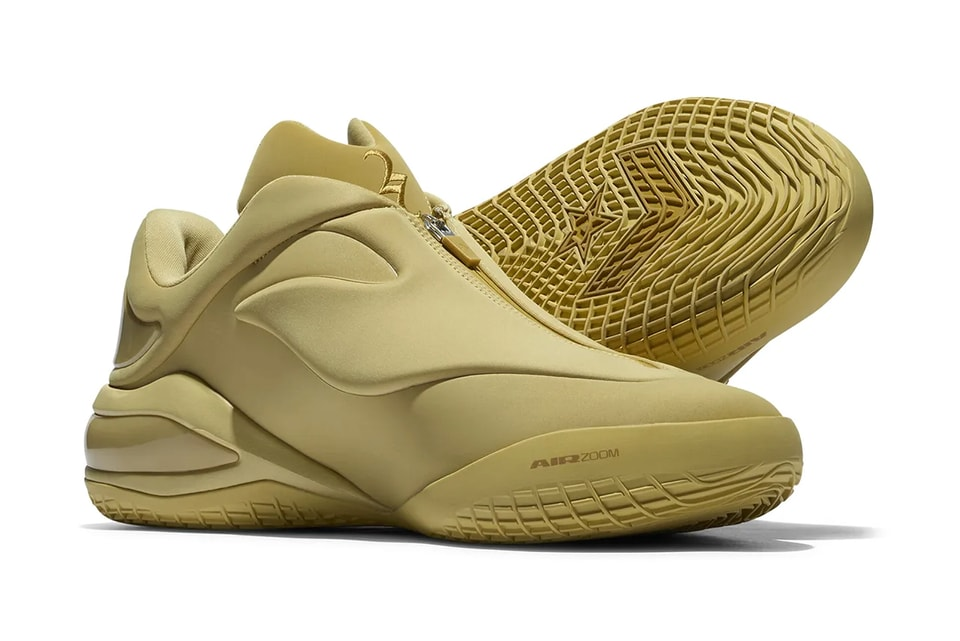
SHAI 001 (Converse x Shai Gilgeous-Alexander)
In contrast, the SHAI 001 takes a completely different approach.
Although it bears the Converse logo and features Converse design elements , the shoe incorporates many Nike technologies, such as the forefoot response of Zoom Air, the low-top design, and the Court Feel design logic.
Its keywords lean more towards:
It features quick changes of direction, smooth footwork, a powerful first step, and emphasizes a court feel and agility.
2. Design and Technology: Different Visions, Different Characters Underfoot
Upper and support
The AE2 uses adidas’ Articulated Fangs (similar to “tooth support wings”) structure, providing very direct lateral lockdown. The upper is lighter and more breathable than the AE1, and won’t feel “slippery” during frequent movements.
SHAI 001 takes a more “trendy” approach:
a zip-shroud cover and a Neoprene-like elastic structure, making the package clean and neat. It’s also visually easy to identify.
Midsole and cushioning
The AE2 still features the Boost + Lightstrike combination, but the foot feedback is more grounded than expected. It’s not the traditionally bouncy type, but rather stable and firm, yet quite crisp when you’re charging.
SHAI 001 : The forefoot Zoom Air + EVA makes it particularly responsive during quick changes of direction and sudden stops, allowing you to feel the advantages of forefoot responsiveness and split-second change-of-direction.
Grip and Outsole
The AE series (especially the AE1) has shown a high coefficient of friction (even 0.85) in some laboratory tests, so grip is hardly a concern. The AE2 still has strong traction, but its durability is not as “tough”.
The SHAI 001 has excellent grip, especially indoors, where it’s practically “sticky” wherever you step.
However, the rubber is too thin for outdoor use, making it unsuitable for long-term streetball play.
3. Differences in on-foot experience: Completely different playing styles
AE series (represented by AE1 / AE2)
AE1 : Stable, strong grip, good ground feel, but the feel is on the firmer side. The energy return is not as “comfortable” as foam, and it gives you a feeling of “you have to push yourself”.
AE2 : It’s significantly lighter, and the transitions between movements are smoother. The combination of ground feel and explosiveness is much more harmonious than the AE1. The only minor drawback is that the midsole elasticity is a little weaker than expected.
Suitable for players who enjoy physical play, aerial duels, and driving to the basket. This style of play relies heavily on strength.
SHAI 001
The SHAI 001 behaves very typical of a “guard shoe”:
low-top, close to the ground, with good ankle support, quick acceleration, and easy changes of direction. However, its breathability is average, and some players have specifically mentioned that its anti-roll performance is slightly weaker during extreme lateral movements.
Suitable for: ball handlers, rhythm-oriented guards, and players who frequently make changes of direction or sudden stops.
4. Advantages and disadvantages: summarized in one sentence
AE series (AE1 / AE2)
advantage
The traction is so strong it can be described as “absurdly stable”.
With stable support and structure, it is suitable for aggressive playing styles.
Good value for money, solid performance among signature models.
shortcoming
The weight is higher than the “lightweight” approach.
AE1 is on the firmer side, while AE2 is slightly less elastic.
Outdoor abrasion resistance is somewhat dependent on luck.
SHAI 001
advantage
Smooth turning and excellent ground feel
Good grip and neat packaging
Its distinctive design makes it suitable for street style.
shortcoming
The cushioning is too thin, and the impact protection is only average.
Breathability is average
Outdoor use is not recommended for long-term use.
5. If you’re struggling to choose which pair to pick—here’s a piece of advice.
For explosive, dunking, and aggressive playing styles: choose the AE series (especially AE2).
Ball control, change of direction, and speed-based playing style: Choose SHAI 001
Indoors : Either pair is fine
Outdoors : Prioritize the AE series (especially the abrasion-resistant version).
Focus on appearance : SHAI 001 is more “design-oriented”.
Budget-conscious : Generally, the AE series is more user-friendly.
6. Conclusion: A Clash of Two Design Philosophies
The AE series and the SHAI 001, one emphasizes explosive power, the other emphasizes agility.
Just like the two star players have completely different styles, these two shoes convey different messages on the foot. Ultimately, there is no “absolutely better,” only “which one is more suitable for whom.”